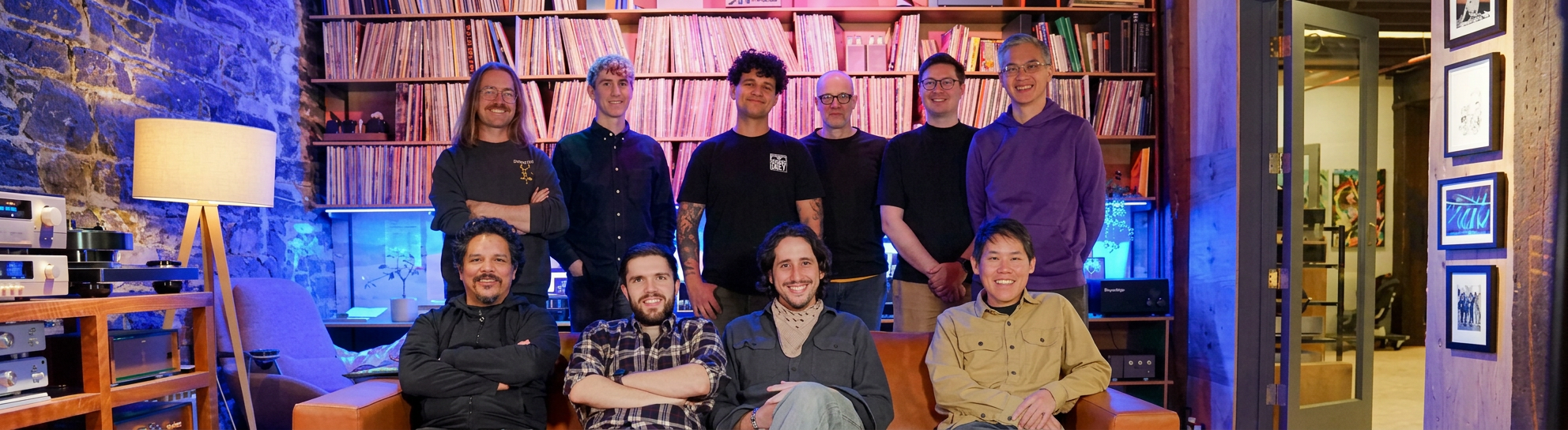
A Conversation with Adam Wexler

Resolution Audio Video NYC | Founded 2009
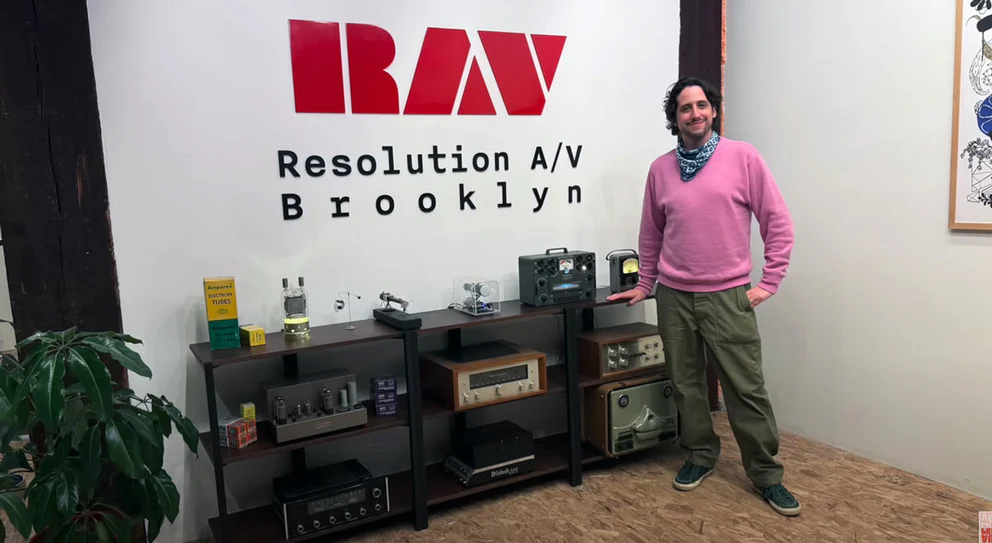
Adam Wexler is the founder of Resolution AV, a Brooklyn-based audio and smart-home specialist known for high-end HiFi systems, whole-home integration, and a long-running passion for vintage and pre-owned gear. His approach is less about hype and more about helping music lovers find a system that moves them—built on deep manufacturer relationships, heritage-driven brands, and a belief that listening should be personal.
We recorded this conversation shortly after a major building fire impacted Resolution AV’s business space, and the water damage that followed forced operations into a temporary setup. We met at Adam’s home to talk about how Resolution was built, why his curation philosophy prioritizes emotion over “studio sound,” and what it means to rebuild—again—while staying anchored to the joy music can bring.

We’re sitting at your home today because Resolution’s space was hit by a building fire and the water damage that followed forced you into a temporary setup. Before we get into what happened, I want to go back—how did you get into audio in the first place?
Music was always on in my house growing up—weekends especially. My dad would put the stereo on in the morning and it would run all day. I also always had this curiosity about how things worked. If something broke, I’d take it apart. Then a simple record player found its way into my room and the whole idea of the needle in the groove turning vibration into sound… that was it for me. It was the perfect collision of my two favorite things: music and technology.
When did it turn from a passion into a business?
College was the inflection point. It was the early internet days and eBay was just becoming a thing. I went to a HiFi shop in Ithaca and basically said, “If I sell your consignment gear online, can I take a commission?” They had no idea what I was talking about—so that’s how it started. And like a lot of audiophiles, it got out of control fast. I kept evolving my own system with whatever I could earn by flipping gear.
You’ve always had one foot in vintage and pre-owned gear. Why has that remained a big part of what you do?
Two reasons. One is that some of that stuff is still incredible—sometimes as good as or better than modern gear. And two, the history matters. I love seeing the evolution of ideas over decades. Preserving the roots of hi-fi is important to me, and the used gear world keeps you fluent in what’s actually out there—far beyond the handful of brands any one dealer represents.
After college you spent years at a Manhattan audio shop. What did that period teach you?
It taught me the craft—how to work with people, how to guide them through decisions. There’s psychology involved, not manipulation—just helping someone choose something they’re excited about, and making it easy and fun. That’s still a core part of how we work.
When you started Resolution, what helped it take off?
Early on I was lucky to land two major townhouse projects back-to-back. That became a springboard. But even in big smart-home installs—lights, shades, automation—my thing was always: we still need to do something special for music. Quality sound shouldn’t be an afterthought.
Two years ago you built out a dedicated listening room. What was the mission?
I wanted to serve the hi-fi community in New York—now Brooklyn—with a more relaxed, laid-back approach. We’re not here to tell people what’s “best in the world.” We curate, we guide, and we encourage people to listen and decide for themselves.
That ties into the brands you carry. What’s your filter for choosing lines?
Three things. First is the relationship—strong two-way support with the manufacturer. We’re on the front lines. Our customers are buying luxury items and they deserve to be taken care of. Second is heritage. I love brands with real lineage—companies that have been doing this for a long time and have earned trust. Third—and this is the big one—is musicality. I’m not chasing “studio sound” or the idea of hearing a tiny detail you never heard before. I want people to feel something.
You’ve said you’re optimizing for emotion.
Exactly. We’re trying to make people experience connection. I can’t tell you how many times we’ve had people tear up in the listening room… that’s a win. That’s the whole point.
You’re juggling three lanes: smart-home work, high-end HiFi, and used/vintage. How do you actually manage it?
It’s not easy. The only way is having an amazing team—people with an ownership mentality. Some have been with me for 15 years. And the throughline is the same across all three: we’re bringing joy into people’s homes. We’re not selling funeral plots. We’re selling joy.
If money was no object and you had to choose just one lane—what would it be?
HiFi. A great music system can move someone in a way nothing else can. Smart-home work is great, but it’s different. Music is the most rewarding.
You’ve also been through serious disruptions—Hurricane Sandy, and now this fire-and-water damage situation at the business. How do you look at rebuilding?
When your slate gets wiped clean, you have an opportunity to rebuild better than before. I’ve done it once already after Sandy—we came back bigger and better. That’s the plan again. We’re still busy, we’re still very much in business. It’s the next chapter.
Desert-island system. You have to pick—no hedging.
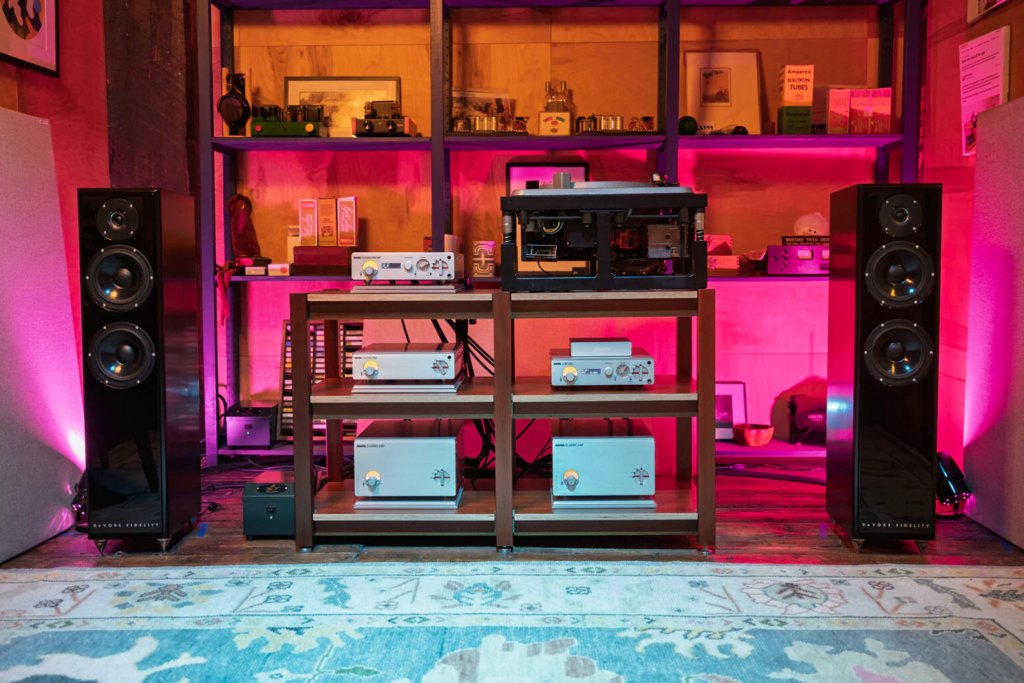
(Laughs.) Fine. Speakers would be DeVore Reference. Electronics would be Shindo—just unmatched emotion and beauty. Digital… Nagra. And for analog—if we’re truly doing “no limits,” Nagra’s reference-level turntable is pretty incredible.
And what are you playing first?
Live music, always. I’m big into improvisational music—Grateful Dead and Phish. It’s like watching musicians walk a tightrope. Sometimes it falls apart, but when they make it across, it’s the greatest reward. And I’ll say this: I’m not a massive Springsteen guy, but I saw him on Broadway with my wife and I cried like a baby the entire time. It was insanely moving. That’s the kind of emotional impact I’m talking about.